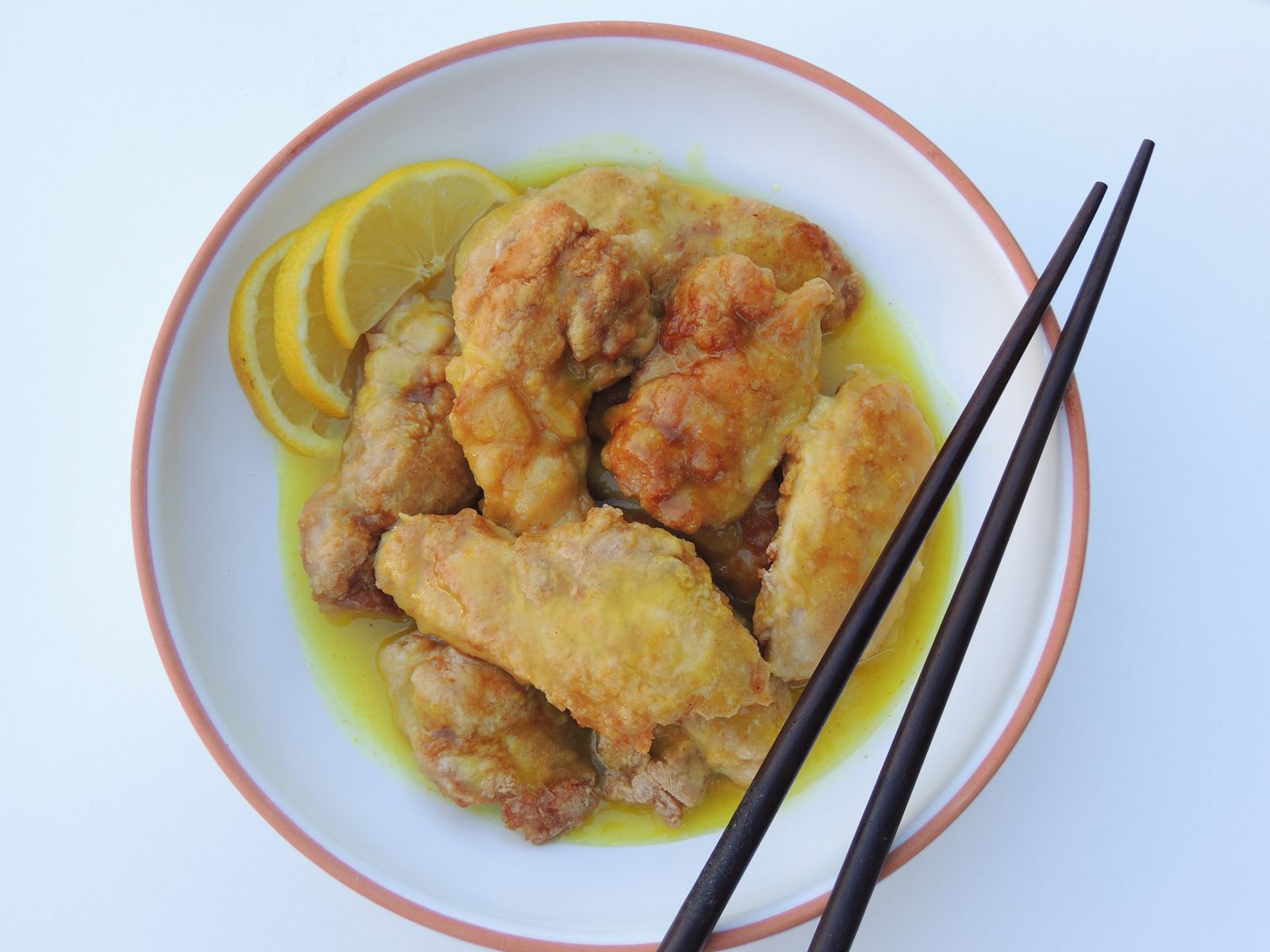
Chinese Lemon Chicken: Why Homemade Beats Takeout with Fresh Ingredients
Forget everything you think you know about Chinese Lemon Chicken from your usual takeout order. While often a beloved staple on Chinese-American menus, the reality is that many restaurant versions fall short, delivering an overly sweet, artificial sauce and sometimes a less-than-crispy coating. But what if we told you that the truly transcendent
Chinese Lemon Chicken experience lies not in a brown paper bag, but in your own kitchen? With the power of fresh ingredients and a few simple techniques, homemade Chinese Lemon Chicken isn't just better – it's a revelation.
This isn't merely an alternative to dishes like sweet and sour chicken; it's a vibrant, refreshing culinary journey in its own right. Imagine succulent chicken, perfectly crisp on the outside, enveloped in a sticky, tangy-sweet sauce bursting with the bright, aromatic essence of real lemons – juice, zest, and even delicate slices. For anyone who adores citrus in their savory dishes, this homemade rendition is poised to become your new favorite.
The Allure of Authentic Chinese Lemon Chicken: Freshness Unleashed
The undeniable charm of
Chinese Lemon Chicken, when done right, comes down to one crucial element: freshness. Unlike the often one-note, syrupy sauces found in many commercial kitchens, a homemade lemon sauce sings with complexity. It’s a delicate balance of bright acidity from freshly squeezed lemon juice, the essential oils from lemon zest, and a nuanced sweetness that perfectly complements the savory chicken.
This commitment to fresh, quality ingredients elevates the entire dish. The difference between bottled lemon juice and the real thing is profound, impacting both the zestiness and the subtle floral notes of the sauce. Similarly, the choice of protein and how it’s prepared makes a world of difference. When you control the ingredients, you control the flavor, ensuring a dish that's not just palatable, but truly unforgettable.
Takeout vs. Homemade: A Flavor Showdown
The contrast between typical takeout
Chinese Lemon Chicken and a carefully prepared homemade version is stark. Many of us have experienced takeout lemon chicken that, while satisfying a craving, ultimately disappoints. The chicken might be chewy rather than crispy, or the sauce might taste predominantly of sugar with a faint, almost artificial lemon essence. As one might recall from childhood takeout experiences, the chicken might be crispy but surprisingly bland, or the sauce overwhelmingly sweet, lacking any genuine depth or the characteristic zing of fresh citrus.
Homemade, however, flips the script. You gain complete control over every element:
*
Sauce Purity: No more artificial flavors or overly sweet concoctions. With fresh lemon juice, zest, a touch of honey or sugar, and aromatics like ginger and garlic, your sauce will be vibrant, balanced, and truly fragrant. Many takeout spots skip these vital aromatics, leaving the sauce feeling flat.
*
Crispiness Control: Whether you prefer a light, airy batter or a substantial, crunchy coating, homemade allows you to achieve your desired texture. We'll delve into the methods shortly, but the key takeaway is that you dictate the crispness, which often suffers in takeout versions during transport.
*
Ingredient Quality: From the chicken breast to the cooking oil and the lemons themselves, you choose the best. This directly translates to a superior taste and often a healthier meal.
Crafting the Perfect Crispy Chicken: Your Way to Perfection
One of the most debated aspects of
Chinese Lemon Chicken is the chicken itself – specifically, how to achieve that perfect crispy exterior. The beauty of cooking at home is that you can tailor this to your preference.
The Crispy Conundrum: Batter vs. Dry Coating
Some swear by a light, airy wet batter that puffs up during frying, creating a delightful textural contrast with the sauce. Others prefer a robust, dry coating that promises a sustained crunch, even after being coated. Both have their merits:
* **Wet Batter (e.g., Beer or Seltzer-based):** This often yields a lighter, almost tempura-like texture that is incredibly delicate. While some argue it might lose its crispness faster when drenched in sauce, the initial crunch is unparalleled.
* **Dry Coating (e.g., Starch and Panko):** This method tends to create a more resilient, robust crispiness that holds up well. It's often favored for its enduring crunch.
Regardless of your chosen coating, a crucial technique for maximizing crispiness, especially with traditional deep-frying, is
double-frying. A quick first fry cooks the chicken, and a second, hotter fry right before serving crisps it up beautifully.
Beyond Deep-Frying: Healthier & Easier Options
The good news is that achieving amazing crispiness doesn't necessarily require a vat of oil. This is where homemade truly shines:
*
Pan-Frying: By using thin-sliced chicken breasts instead of chunky pieces, you can get a wonderfully crispy, golden crust with minimal oil. Thin slices ensure quick cooking and maximum surface area for crisping.
*
Air-Frying: This popular method is fantastic for achieving a similar effect to pan-frying but with even less oil, making your
Chinese Lemon Chicken a lighter yet equally satisfying meal.
The Secret to Supreme Crunch: Starch and Panko
For those aiming for unparalleled crispiness without deep-frying, here are some invaluable tips from the culinary pros:
* **Thin-Sliced Chicken Breasts:** If your chicken breasts are thick, slice them horizontally into thinner cutlets. This allows them to cook quickly and crisp up evenly.
*
Tapioca Starch: This is a game-changer! Tapioca starch creates an incredibly crispy, golden crust that stands up beautifully. It's a fantastic alternative to flour. Substitutions like arrowroot or potato starch also work wonders, or even whey protein isolate for a low-carb option.
*
Panko Breadcrumbs: For that extra golden, flaky crunch, panko is your friend. Its larger, airier flakes contribute to a superior texture. For gluten-free needs, rice panko is an excellent choice, and pork panko works for low-carb diets.
For a deeper dive into achieving that perfect crunch with various cooking methods, check out this guide:
Crispy Chinese Lemon Chicken: Deep-Fry, Air-Fry, or Pan-Fry Your Way to Perfection.
Mastering the Zesty, Luminous Sauce
The soul of
Chinese Lemon Chicken truly resides in its sauce. And here, fresh ingredients are non-negotiable.
*
Fresh Lemon Zest and Juice: This is the absolute cornerstone. Do NOT use bottled lemon juice. The vibrancy, acidity, and aromatic oils from fresh lemons are what give the sauce its signature "pop." You'll use both for maximum impact.
*
Aromatics: Ginger and Garlic: This is a key differentiator from many takeout versions. Lightly sautéing fresh ginger and garlic at the start of your sauce preparation builds an incredible depth of flavor that a simple sugar-and-starch sauce can never achieve. Don't skip them!
*
Honey for Nuanced Sweetness: While sugar can be used, honey offers a richer, more complex sweetness that beautifully rounds out the tart lemon. It also acts as a natural thickener, contributing to that desirable sticky glaze.
*
Starch for Glaze: A cornstarch or tapioca starch slurry is essential for thickening the sauce to that perfect glossy, clingy consistency.
This combination creates a sauce that is zesty, slightly sweet, incredibly fragrant, and perfectly balanced – a far cry from the cloying, artificial flavors often found outside the home. To truly perfect your sauce, explore techniques here:
Homemade Crispy Lemon Chicken: Master the Zesty Sauce & Perfect Crunch.
Beyond the Basics: Tips for Your Best Homemade Dish
To ensure your homemade
Chinese Lemon Chicken is nothing short of spectacular, consider these additional tips:
*
Prep Ahead: While the chicken is best served immediately after saucing, you can prep components in advance. Slice your chicken, mix your dry coating, and even prepare your sauce (just reheat and thicken before serving).
*
Serving Suggestion: This dish pairs beautifully with steamed jasmine rice to soak up every drop of that glorious sauce, and a side of fresh, lightly steamed or stir-fried vegetables (like broccoli or bok choy) for a balanced meal.
*
Eat Fresh: While the sauce is delicious reheated, for optimal crispiness, it's always best to enjoy your lemon chicken fresh, right after it's been coated. If preparing for guests, complete the second fry and toss with sauce just before serving.
*
Taste and Adjust: When making the sauce, always taste it before adding to the chicken. You might want a touch more lemon for extra zing, or a bit more honey for sweetness, depending on your palate.
Conclusion
Stepping into your kitchen to create homemade
Chinese Lemon Chicken is more than just cooking a meal; it's an act of culinary empowerment. By choosing fresh ingredients, mastering crispy textures with methods like pan-frying or air-frying, and crafting a sauce that bursts with authentic lemon flavor and aromatic depth, you unlock a dish far superior to anything you'd find at a typical takeout spot. It's lighter, fresher, more flavorful, and ultimately, a much more satisfying experience. So, ditch the menus and embrace the zest – your taste buds will thank you!